
FACE LIFT
Face Lift Surgery in Singapore
Face lift surgery is a cosmetic procedure designed to lift and reposition facial tissues that have descended with age, restoring a smoother and more youthful facial contour.
At Azataca Plastic Surgery, our MOH-accredited surgeons perform face lift procedures tailored to each patient’s anatomy, degree of skin laxity, and aesthetic goals.
ABOUT
About Face Lift Surgery
A face lift (rhytidectomy) addresses visible signs of ageing in the lower two-thirds of the face and neck. The procedure focuses on repositioning deeper facial structures rather than simply tightening the skin.
Procedures offered include:
- Deep Plane Face Lift
- Mini Face Lift
- Midface Lift
- Lower Face Lift
- Neck Lift
The appropriate face lift procedure depends on the severity of sagging, facial volume loss, and individual aesthetic concerns.
Procedure Duration
Surgery duration varies depending on the areas treated and whether additional procedures are combined. In general, face lift surgery may take several hours to complete under general anaesthesia.
PROCEDURES
Suture Blepharoplasty VS Open Blepharoplasty
A double eyelid is an eyelid that forms a fold when the eye is opened. Patients may undergo an upper blepharoplasty to create a double eyelid. This may be done by suture methods or open incisional methods.
| Suture Blepharoplasty | Open Blepharoplasty | |
|---|---|---|
PROCEDURE |
A quicker operation that causes less swelling. | The skin is directly sutured to deeper tissues, and excess muscle, fat, and tissue may be removed. |
Best Suited For |
Patients with relatively thin upper eyelids. | Patients with thicker upper eyelids. |
Durability |
In thicker eyelids, the suture may cut through tissue, causing loss of fold and recurrence of the single eyelid over time. | The created fold is deeper and more permanent, with less risk of fold loss. |
Scar Visibility |
No visible external scars. | The incision is well concealed in the eyelid crease and invisible when the eye is open. |
Recovery |
Quicker recovery and less swelling. | Takes slightly longer, and swelling takes a little longer to recover. |
INDICATIONS
Who May Consider This Procedure
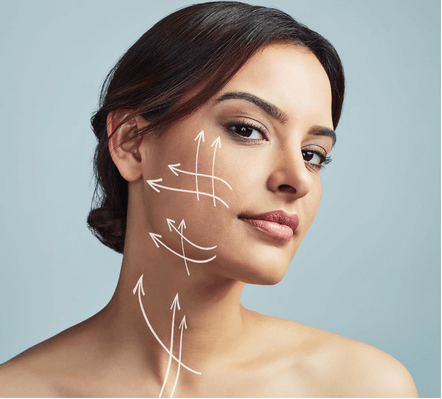
Facelift surgery may be suitable for individuals who experience:
- Sagging brows or midface descent
- Drooping cheeks or jowl formation
- Loss of jawline definition
- Skin laxity along the neckline
- Deep facial folds and creases
A detailed consultation is necessary to assess suitability. Treatment plans are customised based on facial structure, skin quality, and desired outcomes.
If you are considering a facelift in Singapore, a thorough evaluation with a qualified plastic surgeon ensures safe and appropriate recommendations.
SAFETY
Risks & Considerations
As with any surgical procedure, facelift surgery carries potential risks. While complications are uncommon, patients should be aware of:
- Temporary swelling and bruising
- Skin irregularities or delayed healing (higher risk in smokers)
- Temporary numbness or altered sensation
- Scarring along incision lines
Your surgeon will discuss all potential risks, safety protocols, and recovery expectations during the consultation.
All procedures at Azataca are performed by accredited plastic surgeons in licensed medical facilities in Singapore.
Skin breakdown (necrosis) may occur, particularly in individuals who smoke. It is strongly advised to stop smoking at least one month before and after surgery to support proper healing.
Temporary weakness of facial muscles can occasionally happen following surgery and generally improves as recovery progresses.
AFTERCARE
Recovery & Aftercare

Following a face lift procedure, patients may experience mild swelling and tightness, which gradually improves.
Typical recovery timeline:
- Light activities: within several days
- Sutures removal: approximately 1 week
- Return to work: 1–2 weeks (depending on recovery)
- Final results: visible as swelling subsides over several weeks
HOW TO START
Arrange a Consultation
If you are considering the treatment with our experienced surgeons, you may book a consultation to discuss suitability, options, and the treatment process based on your medical history and goals.
FAQ
Frequently Asked Questions
Will I be asleep during a facelift surgery?
Yes. Face lift surgery is typically performed under general anaesthesia administered by a licensed anaesthesia provider.
Will people be able to tell I had a facelift?
Modern techniques focus on repositioning deeper tissues to avoid an over-tightened appearance. The goal is a natural, refreshed look.
How long do face lift results last?
Results vary depending on age, skin quality, and lifestyle factors. Many patients enjoy improvements lasting several years.
Is face lift surgery safe in Singapore?
Plastic surgery in Singapore is regulated by the Ministry of Health. Choosing an accredited plastic surgeon ensures compliance with strict medical standards.
🩺 A full evaluation with an MOH-accredited doctor is required to determine suitability for the procedure.
*Disclaimer: Results vary according to individual.
Why Choose Azataca for Face Lift in Singapore?
- MOH-accredited plastic surgeons
- Subspecialty expertise in aesthetic facial surgery
- Individualised surgical planning
- Licensed facilities at Gleneagles and Royal Square
If you are exploring facial rejuvenation options, our team will guide you through available treatments, including non-surgical alternatives where appropriate.
Explore Related Procedures:
GET IN TOUCH
Book Your Consultation
