The Different Types of Breast Reconstruction Procedures Explained
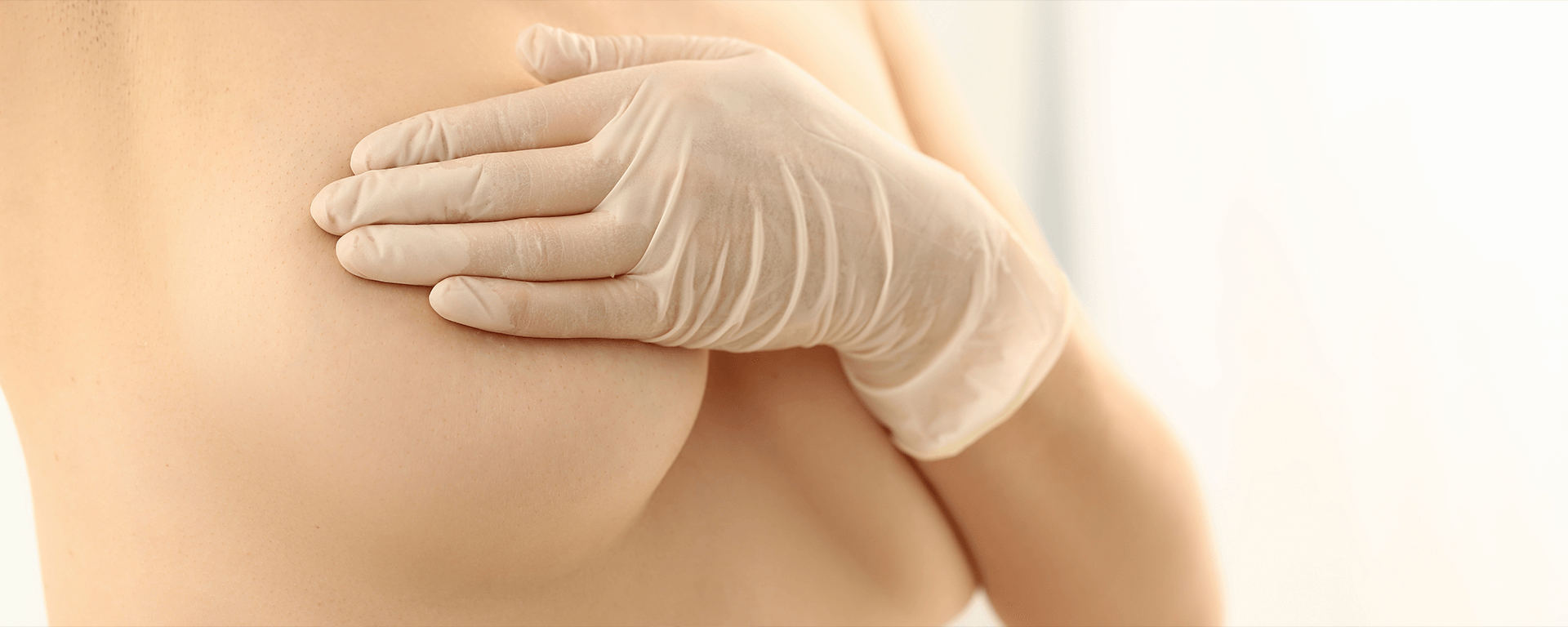
Breast reconstruction offers a way to restore the breast’s form after mastectomy, injury or other medical concerns. This procedure addresses damaged or missing tissue resulting from surgery, injury, or congenital conditions. Restoration may involve reconstruction of part or the entire breast, depending on the extent of tissue loss. Breast reconstruction in Singapore is often considered by breast cancer patients following cancer surgery, such as mastectomy or lumpectomy.
Understanding Types of Breast Reconstruction and How They Work
Reconstruction aims to recreate the breast mound using implants, a person’s own tissue or a combination of both. Each approach has its own advantages depending on an individual’s health considerations and long-term expectations.
Breast reconstruction in Singapore is a complex surgical procedure that may be performed immediately or delayed after breast cancer surgery. Immediate reconstruction may take place during the same operation as mastectomy, while delayed reconstruction occurs after initial healing or further treatment. Delayed breast reconstruction is often chosen when additional cancer treatments are needed after the initial breast cancer surgery. Both paths are used safely and effectively in different clinical situations.
Reconstruction relies on selecting a method that fits the individual’s anatomy, lifestyle and treatment requirements. Once these elements are clear, it becomes easier to explore whether implant-based reconstruction is a suitable choice. The timing and type of reconstruction surgery are determined in consultation with the surgical team.
Implant-Based Reconstruction
Implant-based reconstruction uses silicone implants to recreate breast shape; a breast implant is placed to restore the breast mound after mastectomy. Implant breast reconstruction is a common method for restoring the breast after mastectomy, especially when there is enough healthy tissue on the chest to support an implant or when a shorter initial recovery is preferred.
One of the widely used pathways is the two-stage procedure. In the first stage, a temporary tissue expander is placed beneath the skin or muscle, which may include placement under the chest muscle. Over time, it is gradually filled to create space for the final implant. The second stage replaces the expander with a silicone breast implant that provides a permanent shape. In some cases, an acellular dermal matrix is used as a supportive scaffold to help support the tissue expander and implant.
Some individuals may undergo direct-to-implant reconstruction if their tissue characteristics allow a single-stage procedure. Both single-stage and two-stage procedures carry risks such as capsular contracture, implant rupture, and the formation of scar tissue around the implant.
Treatment history, including radiation, may influence whether this approach is recommended. The presence of scar tissue or previous complications may affect the choice of implant-based reconstruction.
When implant-based reconstruction is not the ideal fit or when additional softness or volume is desired, autologous reconstruction may offer an alternative solution.
Autologous (Flap) Reconstruction
Autologous reconstruction uses a person’s own tissue to create the new breast mound. This approach is often chosen by individuals who prefer a reconstruction that relies on skin and fat from another part of the body, as it can provide a natural look and feel, without the use of implants.
In autologous reconstruction, tissue is transferred from a donor site such as the abdomen, inner thigh, or back. The lower abdomen is the most commonly used donor site, as it typically provides sufficient skin and fat and allows reshaping similar to that achieved during a tummy tuck procedure. Abdominal tissue is therefore frequently used for breast reconstruction when suitable.
One of the most commonly performed abdominal flap techniques is the deep inferior epigastric perforator (DIEP) flap. This technique involves harvesting skin and fat from the lower abdomen while preserving the rectus abdominis muscle. Blood supply to the flap is maintained by carefully dissecting the perforating vessels, which are then reconnected to blood vessels in the chest using microsurgical techniques. Because the muscle is preserved, DIEP flap reconstruction may reduce donor-site morbidity compared with older muscle-sacrificing techniques such as the TRAM flap.
Free flap reconstruction refers to procedures in which the tissue is completely disconnected from its original blood supply and reattached to vessels in the chest using microsurgery. In addition to the DIEP flap, other free flap options include the TRAM flap, which may involve partial or full use of the rectus abdominis muscle, and the TUG flap, which uses skin, fat, and a small muscle segment from the inner thigh. These alternatives may be considered when abdominal tissue is insufficient or unsuitable.
Another option is the latissimus dorsi flap, which uses muscle and skin from the upper back. This technique is sometimes combined with an implant to achieve adequate breast volume. Because it involves sacrificing a muscle, it is generally reserved for situations where abdominal or thigh-based flaps are not suitable.
The choice of flap depends on factors such as body habitus, prior surgeries, medical history, and individual reconstructive goals. A detailed consultation allows the surgical team to determine which approach best balances safety, durability, and aesthetic outcome.
Hybrid or Combination Reconstruction
Hybrid reconstruction blends autologous tissue with an implant to achieve specific shape or volume goals. This approach is helpful when donor-site tissue alone may not provide enough fullness or when additional contouring is needed. Hybrid reconstruction may involve multiple surgeries to achieve the desired result.
The flap provides a natural base of soft tissue while the implant supports projection and symmetry. This combination can benefit individuals who want the natural feel associated with autologous tissue but also require structural support. Planning focuses on selecting suitable donor tissue and determining how the implant can complement it.
This method can be especially useful for tailoring reconstruction to match the opposite breast closely, and adjustments may also be made to the other breast to improve symmetry, which leads naturally to the concept of symmetry procedures.
Procedures to Support Symmetry
Symmetry procedures may be planned to support balance between both breasts. These adjustments depend on each person’s anatomy and may be recommended when a reconstructed breast needs to be matched with the natural breast. In certain reconstructive techniques, tissue and skin from the remaining breast can be used to improve symmetry and aesthetic outcomes.
These procedures can include techniques similar to a breast lift, breast augmentation or breast reduction surgery, and a breast lift may be performed on the other breast to achieve symmetry, depending on the individual’s needs. The goal is to create harmony in overall shape and volume so daily comfort and proportional appearance are better supported. These decisions are guided by long-term considerations such as natural changes in breast tissue and personal lifestyle. Oncoplastic surgery combines cancer removal with reconstructive techniques to optimize both function and appearance.
Once symmetry planning is understood, many individuals find it helpful to learn what to expect during a consultation.
Risks and Complications of Breast Reconstruction
Breast reconstruction surgery, while potentially offering benefits for breast cancer patients, may involve certain risks and possible complications. Understanding these potential risks can be an important part of making an informed decision about breast reconstruction in Singapore following a breast cancer diagnosis. Individual outcomes may vary based on personal factors.
Risks Related to Implant-Based Reconstruction
In implant reconstruction, infection at the surgical site may occur and can sometimes require removal of the implant.
Capsular Contracture
Scar tissue may form around an implant, causing firmness or a change in breast shape. In certain situations, additional surgery may be required to address the scar tissue.
Implant Rupture
Breast implants may rupture due to trauma, wear, or other factors. If this occurs, removal and replacement of the implant is typically necessary.
Tissue Expander Complications
When tissue expanders are used to prepare the chest for an implant, issues such as pain, discomfort, or infection may occur. In some cases, the expander may need to be removed before further reconstruction is carried out.
Risks Related to Autologous (Flap) Reconstruction
Autologous reconstruction, which uses tissue from areas such as the abdomen, thigh or back, carries its own considerations.
Flap Perfusion Issues
Adequate blood supply is essential for flap survival. If blood flow becomes compromised, tissue loss (necrosis) may occur and may require further intervention. To support early detection of circulation changes, specialised monitoring devices may be used after surgery. Technologies such as near-infrared tissue oximetry systems (e.g. Masimo) allow continuous, non-invasive monitoring of oxygen levels within the reconstructed tissue. By tracking real-time changes in tissue perfusion, these devices can help the surgical team identify early signs of compromised blood flow. Early recognition of perfusion changes allows timely assessment and intervention when necessary, which can improve flap safety and support successful reconstruction outcomes. Monitoring tools are used alongside regular clinical assessment as part of comprehensive postoperative care.
Donor-Site Complications
Procedures involving abdominal tissue, such as DIEP or TRAM flaps, may be associated with donor-site issues including abdominal wall weakness, bulging, or hernia. While the risk is lower with DIEP flaps due to preservation of the abdominal muscle, it is not completely eliminated. Recovery involves healing at both the chest and donor sites.
Impact of Radiation Therapy
Radiation therapy, often part of breast cancer treatment, may increase the likelihood of complications such as infection, delayed wound healing and capsular contracture. Radiation may also influence the timing and type of reconstruction recommended, making early discussion with the care team important.
Changes in Sensation and Scarring
Changes in sensation—such as numbness or tingling—may occur in the reconstructed breast. Sensation can improve over time but may sometimes remain altered. Scarring is a natural part of any surgical procedure, and while efforts are made to minimise it, some degree of scarring is expected.
Considerations With Fat Grafting and Delayed Reconstruction
Fat grafting may be used to refine breast shape or address small contour irregularities, though multiple sessions may be needed. Delayed reconstruction performed months or years after initial cancer surgery may involve added complexity due to changes in skin or tissue during healing.
Selecting a qualified surgeon experienced in breast reconstruction, following postoperative instructions and attending scheduled reviews are important steps in supporting healing and monitoring for complications. Individual recovery experiences vary.
Preparing for a Breast Reconstruction Consultation
Consultation is an important stage in planning reconstruction. It provides an opportunity to discuss goals, medical history and future treatment steps in detail. Each individual’s circumstances guide the recommendation of implant-based, autologous or hybrid techniques. Consultation with a plastic surgeon and breast surgeon is essential for comprehensive planning.
Surgeons may review incision placement, donor-site suitability, potential changes in sensation and expected recovery timelines. Options such as nipple sparing mastectomy and techniques for reconstructing the nipple and areola, including nipple reconstruction, are also discussed during consultation. Discussions also explore how immediate or delayed reconstruction may align with upcoming cancer treatments or personal needs.
Understanding these aspects supports clearer expectations and ensures that the chosen method aligns with both health and lifestyle priorities. This brings the journey toward reconstruction into perspective and sets the stage for thoughtful decision-making.
A Supportive Path Forward
Choosing a method of breast reconstruction in Singapore is a personal process that benefits from clear, well-explained information. Understanding the differences between implant-based, autologous and hybrid techniques makes it easier to identify an approach that aligns with individual goals.
If you are exploring your options and would like guidance tailored to your needs, you can book a consultation with AZATACA Plastic Surgery to discuss the reconstructive methods that may be suitable for you.
Frequently Asked Questions About Breast Reconstruction in Singapore
1. When is breast reconstruction typically performed?
Breast reconstruction can be immediate, taking place during the same operation as a mastectomy, or delayed until after healing or additional treatments such as radiation. When medically appropriate, immediate reconstruction is often preferred, as it can preserve the breast skin envelope, reduce the number of surgeries, and support earlier restoration of breast contour. Delayed reconstruction remains an important option when additional cancer treatments or individual medical considerations make immediate reconstruction less suitable. The appropriate timing is determined through discussion with the surgical team, based on medical needs and individual preferences.
2. What is the difference between implant-based and autologous reconstruction?
Implant-based reconstruction uses silicone implants to recreate breast shape. Autologous reconstruction uses tissue from areas such as the abdomen, thigh or back to form the breast mound. Each method has different considerations related to recovery, donor-site healing and long-term changes.
3. Is breast reconstruction mandatory after mastectomy?
No. Reconstruction is an optional step. Some individuals choose external prostheses or opt not to undergo reconstruction. The choice is personal and may depend on treatment plans, comfort and lifestyle factors.
4. How does radiation therapy affect reconstruction options?
Radiation may influence healing, skin elasticity and complication risks. These factors can affect whether immediate or delayed reconstruction is recommended and may influence the choice of implant-based, autologous or combination approaches.
5. What are common risks associated with breast reconstruction?
Risks vary by method and may include infection, wound-healing issues, capsular contracture, implant rupture, flap perfusion issues, hernia at the donor site, changes in sensation and scarring. Individual responses to surgery may differ.