Understanding Facelift Procedures and Their Purpose
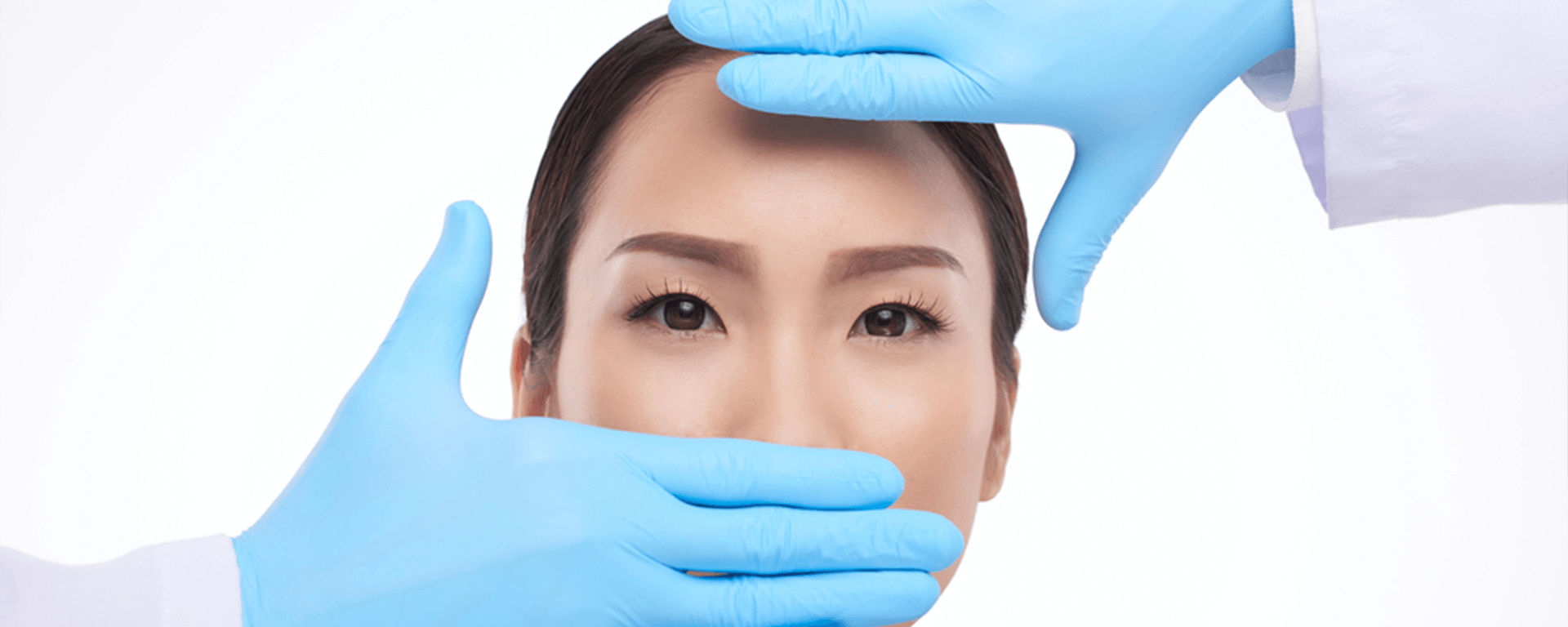
A facelift is a surgical procedure that addresses age-related changes in facial tissues. Individuals may consider it when structural shifts, such as deeper folds or changes in contour, become more noticeable over time. The procedure focuses on repositioning underlying layers rather than altering personal identity, and the approach varies depending on anatomy and goals.
Because there are several ways to perform a facelift, learning more about its purpose and technique can help individuals form a clearer understanding before seeking professional guidance.
What a Facelift Aims to Address
A facelift is intended to improve certain age-associated features by adjusting the deeper tissues beneath the skin. As the face matures, natural reductions in skin elasticity and supportive volume contribute to changes in jawline definition, midface contour and the appearance of folds. These developments occur at different rates for each person due to lifestyle factors, genetic influences and natural ageing patterns.
The aim of a facelift is not to produce a fixed or uniform appearance but to reposition structures that have shifted over time. This helps reduce the prominence of sagging areas and adjust overall facial definition in a way that aligns with an individual’s existing features. Since the procedure is tailored to anatomical characteristics, understanding these goals provides useful context for how various surgical approaches function and what they focus on.
Types of Facelift Techniques
Facelift procedures can be performed using different surgical approaches. Each method works on specific tissue layers and varies in scope, making the choice dependent on an individual’s anatomy, extent of age-related changes and treatment goals. Let’s look at the commonly discussed facelift approaches.
SMAS (Superficial Musculoaponeurotic System) Facelift
- Involves adjusting the supportive layer beneath the skin rather than tightening the skin alone.
- Addresses structures that contribute to facial definition, such as the midface and jawline.
- Often used for individuals with moderate signs of tissue descent.
Deep Plane Facelift
- Works at a deeper level, releasing and repositioning tissues along natural anatomical planes.
- May address more significant changes in the midface, lower face and neck.
- Designed to follow the pathways through which age-related shifts typically occur.
SMAS Plication or SMASectomy
- Techniques that either fold (plicate) or remove (SMASectomy) portions of the SMAS layer.
- Aims to adjust the facial support structures while keeping the skin under controlled tension.
- Useful when targeted reinforcement of underlying tissues is required.
Mini or Limited-Incision Facelift
- Uses shorter incisions and focuses on smaller, localised concerns.
- May be considered for early jowl formation or mild lower-face changes.
- Still requires evaluation to determine whether the tissue characteristics suit a limited approach.
Neck-Focused Techniques (When Combined With a Facelift)
- May address banding, fullness or changes in the neck.
- Sometimes paired with deeper facelift methods if both face and neck concerns are present.
- Planning depends on the relationship between facial and neck tissues.
Why Techniques Differ
Different approaches use varying levels of tissue release and repositioning. As a result:
- Recovery experiences may vary, as deeper techniques typically involve more internal adjustment.
- Suitability differs based on skin elasticity, degree of descent and anatomical features.
- Expected changes take shape gradually, since deeper layers continue to settle over time.
Understanding these distinctions helps individuals appreciate why facelifts are not performed the same way for everyone and why discussions during consultation focus heavily on anatomy, goals and healing patterns.
Several approaches may be used when performing a facelift, each working with different tissue layers and levels of adjustment. The choice among them depends on an individual’s anatomy and the changes they wish to address.
One commonly used method involves the superficial musculoaponeurotic system (SMAS). This technique adjusts the underlying support layer rather than relying solely on skin tightening, allowing the surgeon to work with the deeper structures that contribute to facial shape. Another group of techniques focuses on deeper planes within the face. These approaches aim to reposition the tissues more comprehensively and follow the natural pathways along which ageing tends to occur.
For individuals whose changes are mild or localised, limited-incision or mini approaches may be considered. These concentrate on specific areas such as the lower face or early jowl formation. While they involve fewer adjustments, they still require careful assessment to ensure suitability.
Understanding the variations among these methods helps clarify why the recovery process and expected changes may differ for each person. As techniques work at different depths and locations, the choice of approach also influences the experience after surgery.
Factors That Influence Suitability
Determining whether a facelift is appropriate involves an evaluation of physical characteristics, health considerations and goals. Skin elasticity plays a significant role because tissues must be able to adapt to their new position. The condition of the deeper facial layers and the extent of age-related changes also contribute to how well a particular technique may address an individual’s concerns.
Medical history and overall health status are essential to planning. Factors such as smoking, unmanaged chronic conditions or certain medications may influence recovery and healing. Expectations should be discussed in realistic terms so that individuals understand the nature of surgical adjustments and the gradual progression of changes over time.
These elements form the basis of a thorough consultation with a plastic surgery clinic in Singapore, which also leads to questions about what someone might expect throughout recovery once a technique is selected.
General Recovery Considerations
Recovery following a facelift varies depending on the individual and the procedural approach. Swelling and bruising are common in the initial period and tend to improve gradually. Many individuals take time away from routine activities to allow early healing to settle, particularly during the period when visible signs of surgery are most noticeable.
Follow-up appointments are important for monitoring progress, ensuring proper wound care and adjusting activity levels when needed. Temporary sensations of tightness or altered feeling can occur as tissues heal and adapt to their new position. Because the deeper layers are involved, changes continue to evolve over weeks to months rather than appearing immediately.
An understanding of these recovery patterns helps individuals appreciate the procedure’s purpose more clearly and frames expectations for how facial definition may improve over time.
Understanding How to Move Forward
Learning about facelift procedures can help individuals make sense of how age-related changes develop and what surgical approaches aim to address. By becoming familiar with the different techniques, levels of tissue adjustment and the general patterns of recovery, it becomes easier to build realistic expectations about what the process involves.
If you would like further information about facelifts or wish to understand how these procedures are assessed in a clinical setting, AZATACA Plastic Surgery can provide more clarity on the evaluation process.
Frequently Asked Questions (FAQ)
What signs may indicate that someone is ready to explore facelift options?
Individuals often seek information about facelifts when they notice changes in facial definition, increased skin laxity or deeper folds that affect how they feel about their appearance. A consultation provides an opportunity to understand whether these concerns relate to age-associated shifts or other factors and what options may be suitable.
Is a facelift the same for everyone?
No. A facelift is tailored to each person’s anatomy, degree of tissue change and goals. Techniques vary in depth and scope, so the approach used for one individual may differ from another. Understanding these variations helps set appropriate expectations during planning.
How long does it typically take to recover from a facelift?
Recovery timelines differ from person to person. Swelling and bruising are common in the initial phase and gradually reduce. Most people resume light activities after a period of rest, while deeper tissue healing continues over several weeks. Follow-up visits help guide when activity levels can be adjusted safely.
Are there risks associated with facelift procedures?
All surgical procedures carry potential risks. These may include bleeding, infection, scarring, temporary changes in sensation or complications related to wound healing. The specific risks depend on individual health factors and the technique used. These topics are reviewed thoroughly during a medical consultation.
Can a facelift address concerns in all areas of the face?
A facelift generally focuses on the lower face and may include the midface or neck, depending on the chosen method. Concerns relating to the forehead or eyelids usually require different procedures. A surgeon assesses the areas of interest and explains which techniques correspond to each type of change.
How does my overall health affect suitability?
Health status plays a significant role in determining whether a facelift is appropriate. Factors such as smoking, chronic medical conditions or certain medications may influence healing and recovery. Providing a full medical history during consultation ensures a safer and more informed assessment.
Is there an age limit for considering a facelift?
There is no fixed age requirement. Suitability is assessed based on tissue condition, skin elasticity, health status and personal goals rather than age alone. People explore this procedure at different life stages depending on their concerns.
How does a facelift relate to non-surgical treatments?
Non-surgical options such as energy-based treatments or injectables may address mild or early signs of ageing. A facelift is considered when deeper structural changes require surgical adjustment. During consultation, a surgeon explains which category aligns best with the individual’s needs.